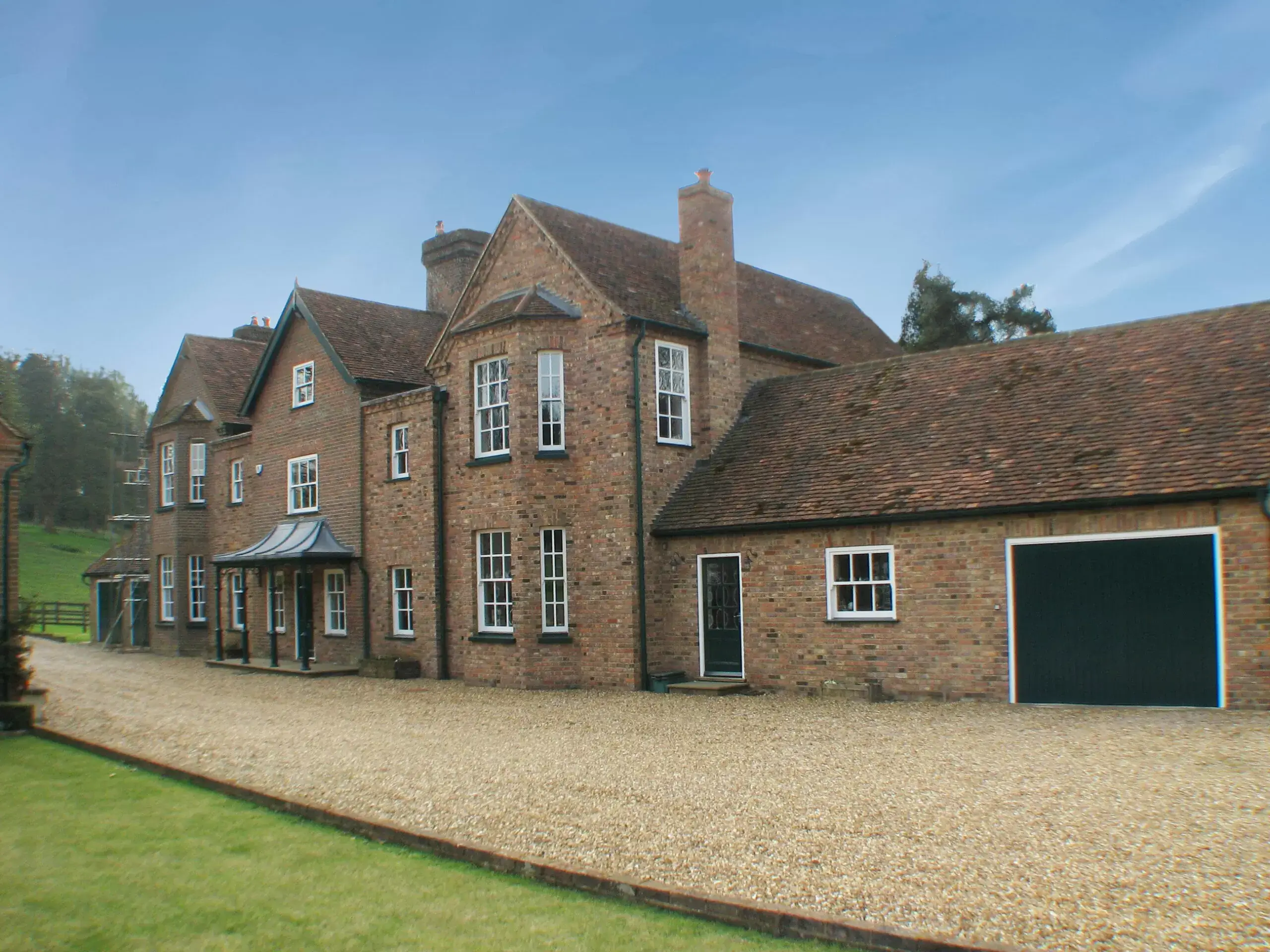
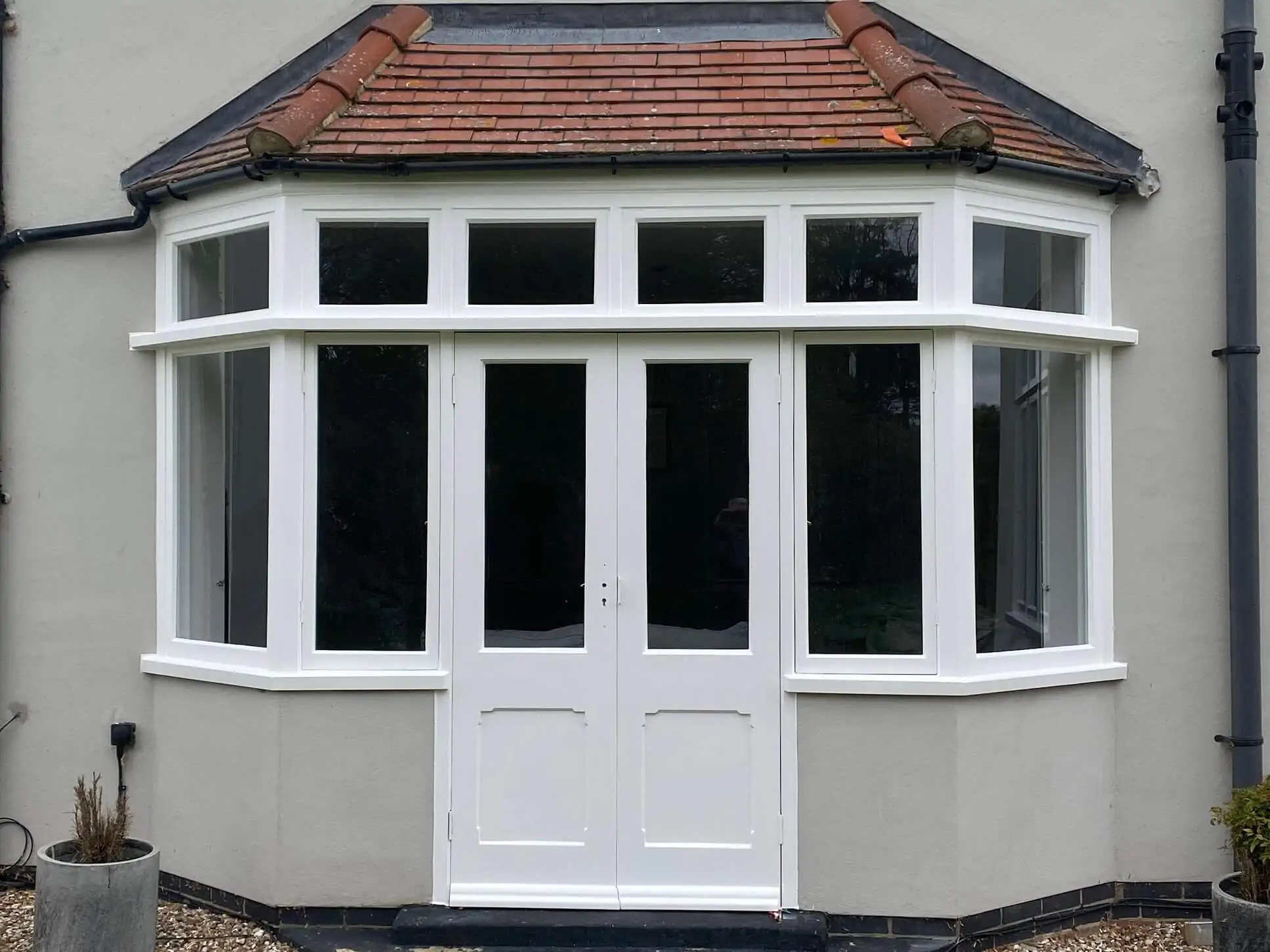
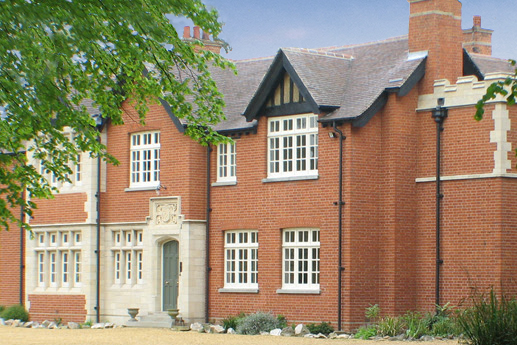
Wooden windows in High Wycombe — the problems we get called about
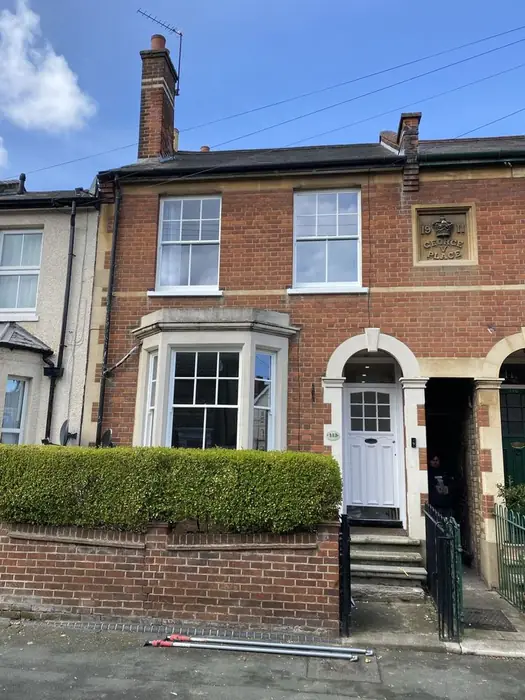
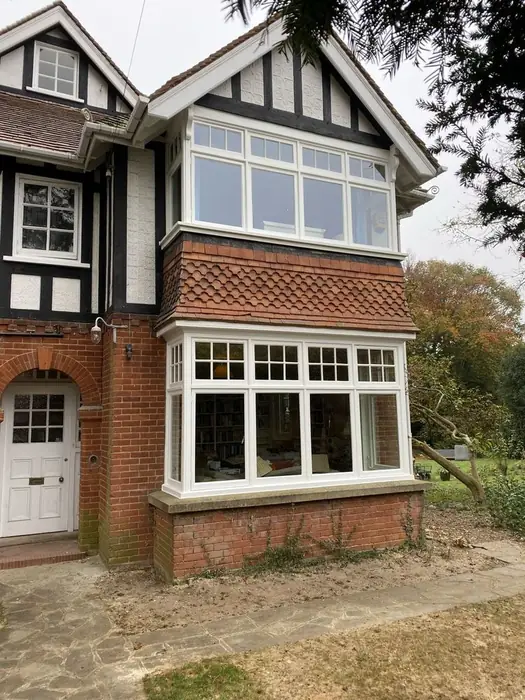
Period wooden windows are essential to a High Wycombe property's character — and the town has a lot of them, from the Victorian stock around the old High Street to the Edwardian semis spreading up onto the Chiltern slopes. Once frames start to fail, the symptoms compound quickly: draughts, peeling paint, condensation, rising heating bills.
We specialise in sympathetic restoration — traditional joinery alongside discrete modern improvements that preserve the original window whilst making the rooms easier to live in. Twenty-five years of work on sash and casement frames, mostly across the Home Counties.
What we see most often in High Wycombe houses:
- Rotten window frames where rain has worked its way into the cill or the bottom of the stiles.
- Heat loss through single glazing — a typical U-value around 5.0 W/m²K, against a modern wall at ~0.3.
- Persistent draughts and rattling from worn parting beads and seals.
- External noise from the M40 and the A40 cutting through the valley.
- Condensation buildup on cold internal glass, leading to staining and decay around the cill.
Restoring wooden windows in High Wycombe
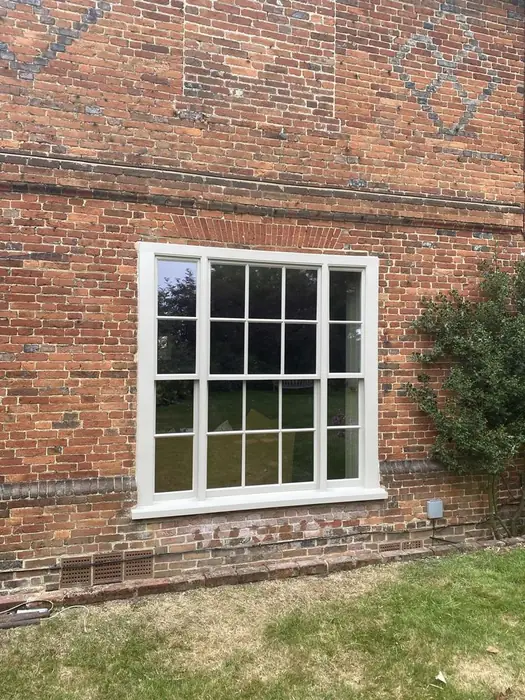
If your wooden windows are showing peeling paint, rot, or cold draughts, restoration brings them back without losing the original sashes. The frame stays, the glazing bars stay, the original glass stays where it survives. Only what has failed gets replaced.
Rotten window frame repair
We tackle timber decay, moisture penetration, and structural weakness through splice repair: cut out the rot back to sound wood, scarf in matched joinery, treat the surrounding timber, prime and paint. The window is structurally the same window, with a new section spliced in where the old one had failed.
Sash-cord and pulley servicing
Broken cords and seized pulleys are the most common failure on older sashes. We strip the sash out, replace cords and pulleys, balance the weights, and refit — the window slides quietly again and stays open where you leave it.
French door and casement restoration
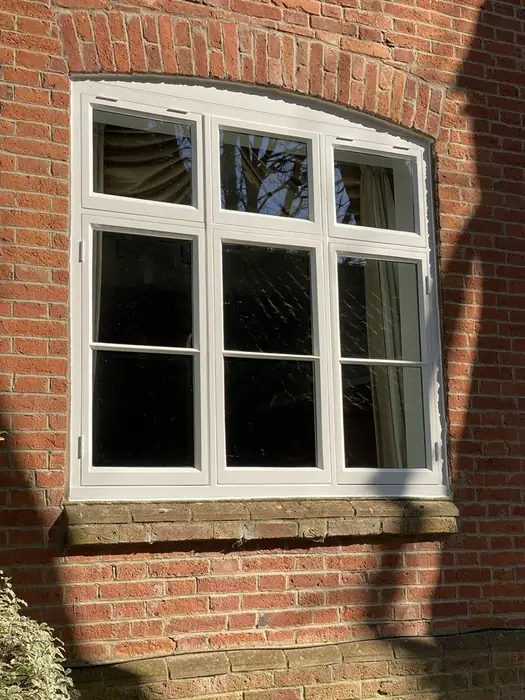
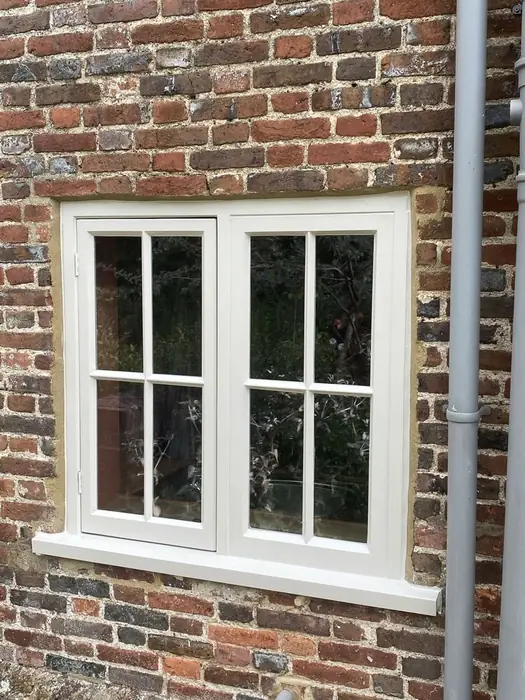
Casement and side-hung joinery suffers from the same problems as sashes — failed paint, hinge wear, sealing degraded around the rebate. We service the joinery, ease the swing, replace seals, and repaint to a clean line.
Double-glazing retrofit for High Wycombe sash windows
Older sash windows in High Wycombe often run on single glazing — heating bills creep up every year and comfort goes the other way. A double-glazing retrofit drops the U-value at the glass from ~5.0 to ~0.7 W/m²K — triple-glazed thermal performance inside an 8 mm vacuum-insulated unit, with the original sashes left in place.
Retrofit vs new double-glazed sash windows
Two routes get to roughly the same thermal endpoint:
- Retrofit — vacuum-insulated glass into your existing sashes. Keeps the original timber, the original sightlines, the original ironmongery. Right answer for most period houses, and usually the right answer for conservation areas.
- Replacement — entirely new double-glazed sash windows. More options on hardware and detailing, but a heavier spend and a heavier visual change. Worth considering only when the original frames are beyond repair.
We walk through both at the survey and write up the right one for your specific house.
Our service area in Buckinghamshire
High Wycombe and the surrounding south-Chilterns towns are our day-to-day patch. The places we work most often:
- High Wycombe
- Marlow
- Beaconsfield
- Princes Risborough
- Stokenchurch
- Amersham
- Chesham
- Henley-on-Thames (just over the Oxfordshire border)
For the wider county, see our Buckinghamshire page, or the Aylesbury page for the Vale of Aylesbury side of the county. We also cover the neighbouring counties — Hertfordshire and Berkshire.
Frequently asked questions
Can rotten wood in sash windows be repaired, or does the whole sash need replacing?
Almost always repaired. We splice in matched timber to replace the rotten section — cut out the decay back to sound wood, scarf in a new piece, prime and paint. Full replacement is reserved for sashes that are structurally past saving, which is rare.
Can you match the original glazing bar profile during restoration?
Yes. We use custom-cut glazing bars and mouldings that match the original profile, so the restored window reads as the same window. This matters in conservation areas and on listed properties.
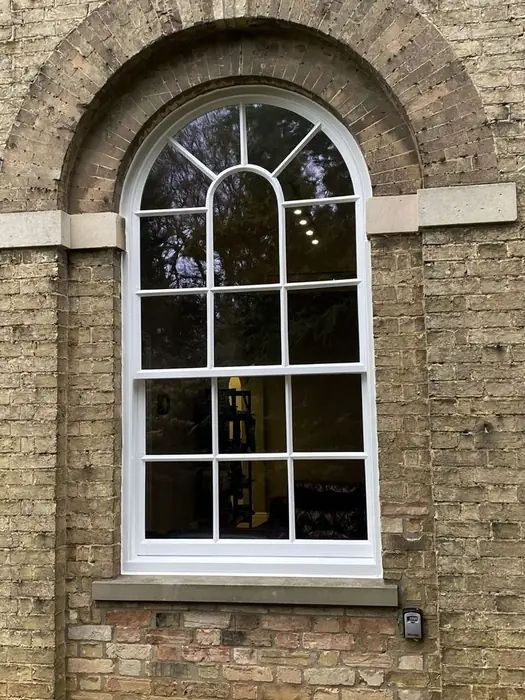
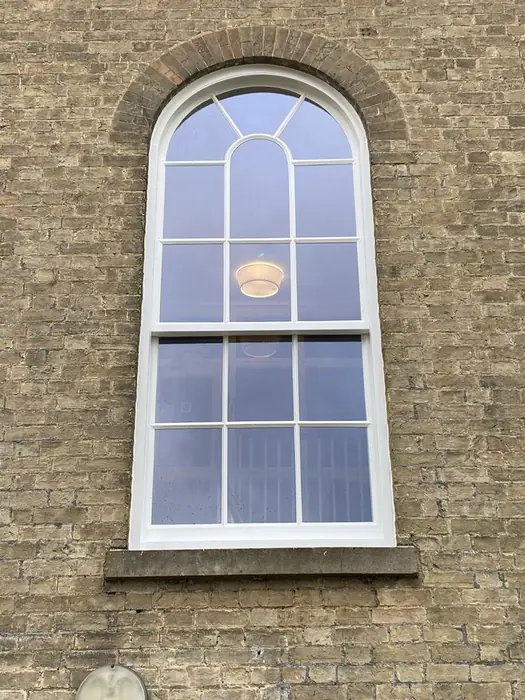
Can you restore non-standard or arch-headed sash windows?
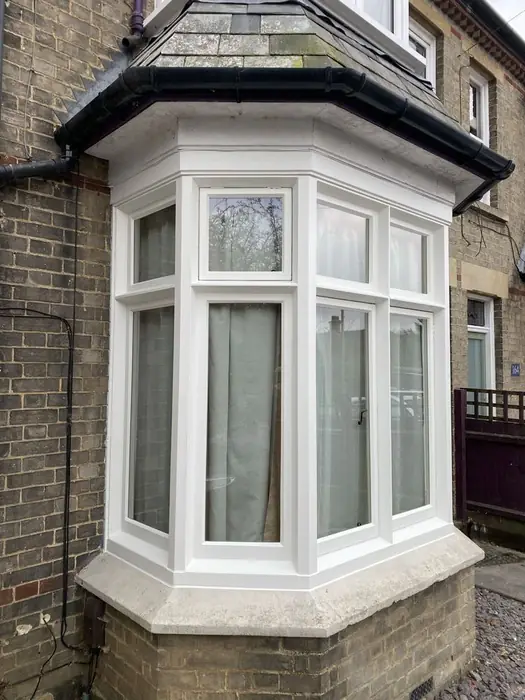
Yes. We handle non-standard shapes — arched heads, gothic tracery, curved bays — using bespoke joinery and, where you're retrofitting double glazing, special-shape vacuum-insulated units cut to match the original.