Traditional sash windows in Barnet — the problems we get called about
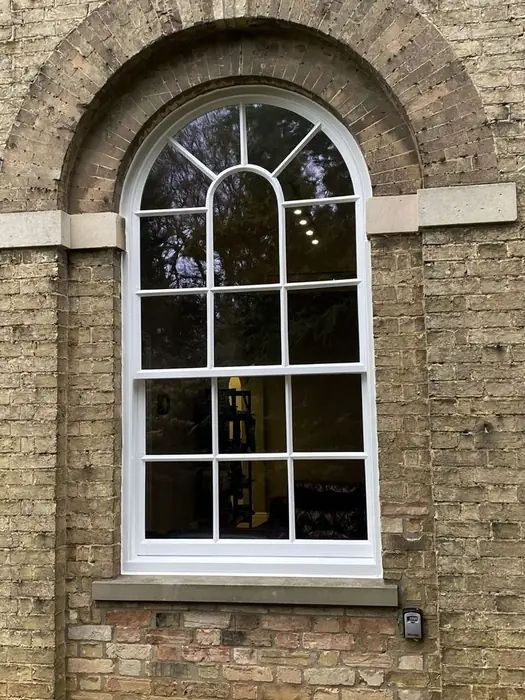
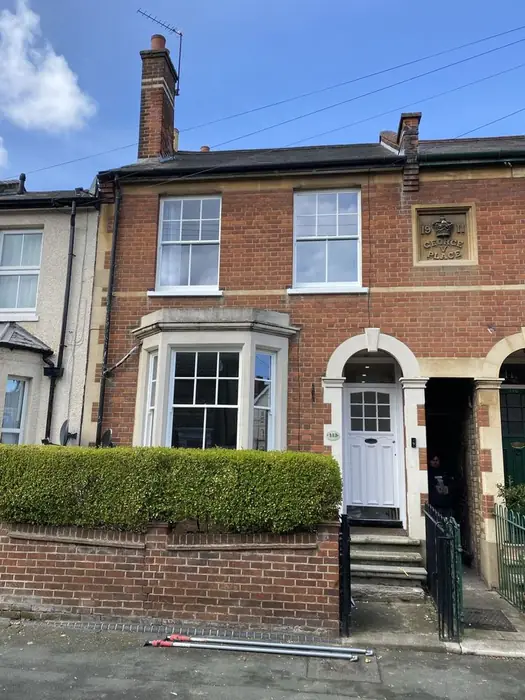
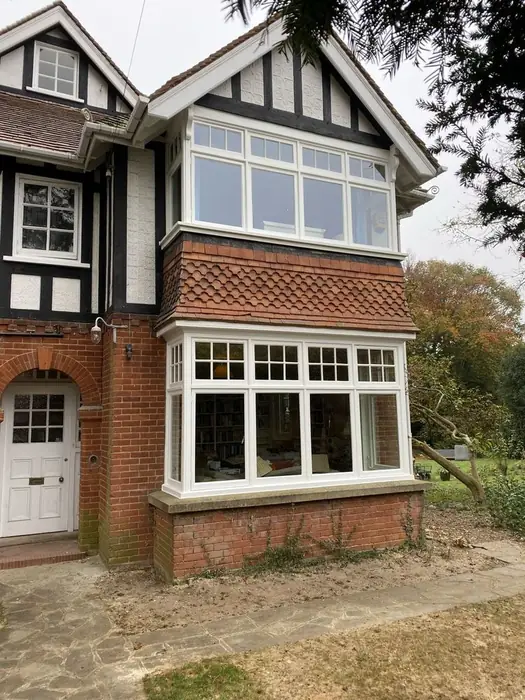
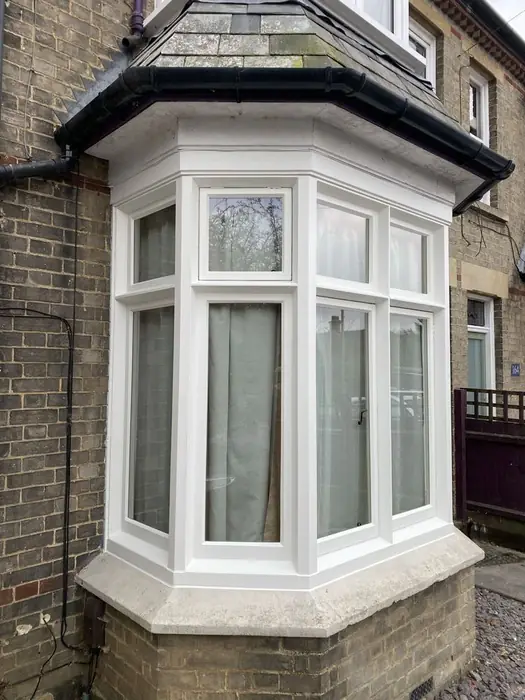
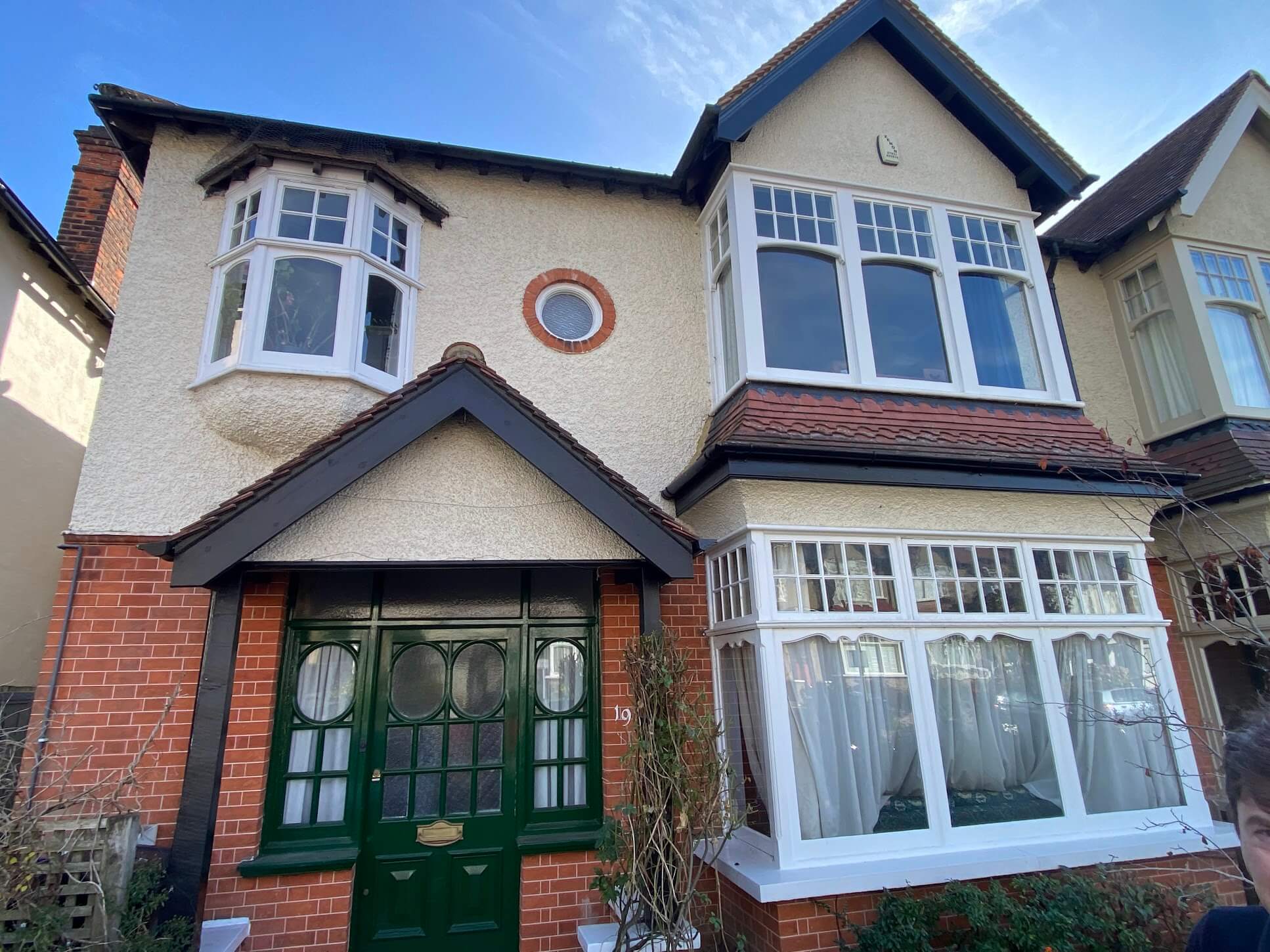
Barnet's character is in the joinery. Edwardian bay-fronted semis along the residential streets, Victorian terraces near the centre, older Georgian frontages around the High Barnet conservation area. Most of those windows are still the originals — and most of them are still worth keeping.
We specialise in sympathetic restoration — traditional joinery alongside discrete modern improvements that preserve the original window whilst making the rooms easier to live in. Twenty-five years of work on sash and casement frames, mostly across north London and the surrounding Home Counties.
What we see most often in Barnet houses:
- Decayed wooden frames where rain has worked its way into the cill or the bottom of the stiles.
- Heat loss through single glazing — a typical U-value around 5.0 W/m²K, against a modern wall at ~0.3.
- Persistent draughts and rattling from worn parting beads and seals.
- External noise from the A1, the Great North Road, and the Northern Line cuttings.
- Condensation buildup on cold internal glass, leading to staining and decay around the cill.
Restoring sash windows in Barnet
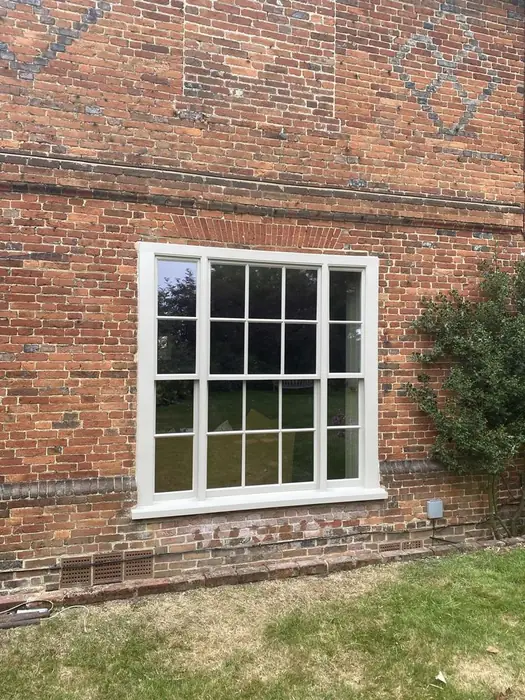
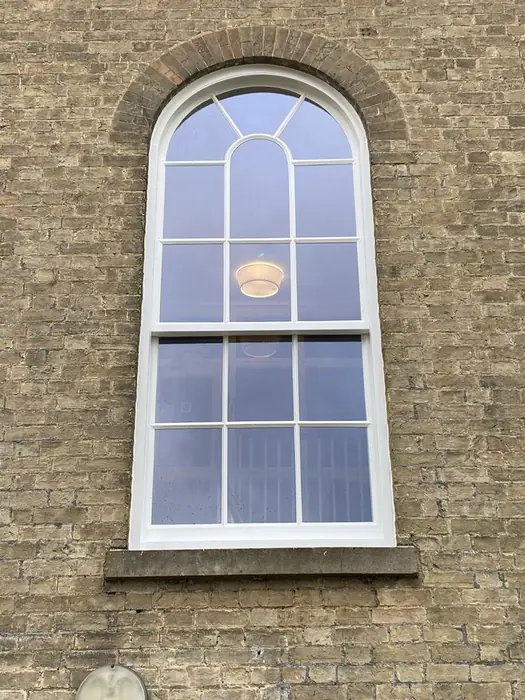
Restoration addresses the drafts, the worn mechanisms, and the surface decay while keeping the original sashes and the original sightline. The frame stays, the glazing bars stay, the original glass stays where it survives. Only what has failed gets replaced.
Sash-cord and pulley service
Broken cords and seized pulleys are the most common failure on older sashes. We strip the sash out, replace cords and pulleys, balance the weights, and refit — the window slides quietly again and stays open where you leave it.
Rotten timber repair
We splice-repair decayed timber: cut out the rot back to sound wood, scarf in matched joinery, treat the surrounding timber, prime and paint. The window is structurally the same window, with a new section spliced in where the old one had failed.
Ironmongery
Traditional sash locks, handles, and pulleys in brass, chrome, antique, and bronze finishes. We match to the original ironmongery of the house, or to a brief you bring to the survey.
Double-glazing retrofit for Barnet sash windows
A lot of Barnet's period stock still runs on single glazing. Heating bills creep up every year; comfort goes the other way. A double-glazing retrofit drops the U-value at the glass from ~5.0 to ~0.7 W/m²K — triple-glazed thermal performance inside an 8 mm vacuum-insulated unit, with the original sashes left in place.
The retrofit also cuts external noise meaningfully, particularly the rumble from through-traffic on the Great North Road and the M25 to the north. The original line of the window is preserved — the glazing bars, the horns, the proportions all stay.
Conservation and retrofit
Hadley Wood, Monken Hadley, and the High Barnet conservation area all favour the retrofit approach — original sashes kept, glass upgraded inside the existing rebate. We supply the technical detail your local planning officer needs at the survey, so the consent route is clear before work starts.
Our service area in north London
Barnet and the surrounding north-London boroughs are part of our day-to-day patch. The places we work most often:
- Barnet (High Barnet, Chipping Barnet)
- New Barnet
- Friern Barnet
- Hadley Wood
- Monken Hadley
- Totteridge
- Whetstone
- Cockfosters
For the wider area, see our north London page, or the Enfield page for the eastern side of the borough boundary. We also cover the neighbouring Hertfordshire towns — Hertfordshire.
Frequently asked questions
Can the original Edwardian sashes be double-glazed?
Yes. We retrofit vacuum-insulated glass units into the existing sash frames, so the original Edwardian joinery stays in place and the sightlines are preserved. The U-value at the glass drops from ~5.0 to ~0.7 W/m²K.
Will retrofit work in Hadley Wood / Monken Hadley conservation areas?
Generally yes. Retrofit preserves the original sashes and the external appearance, which is exactly what conservation officers are protecting. We supply the technical detail your planning officer needs at the survey.
How disruptive is the work — do we need to move out?
No. We work room by room, dust-sheet protected, and refit each window the same day it's removed where possible. Splice repairs and full glazing upgrades take longer, but you stay in the house.