Period sash windows in Leighton Buzzard — the problems we get called about
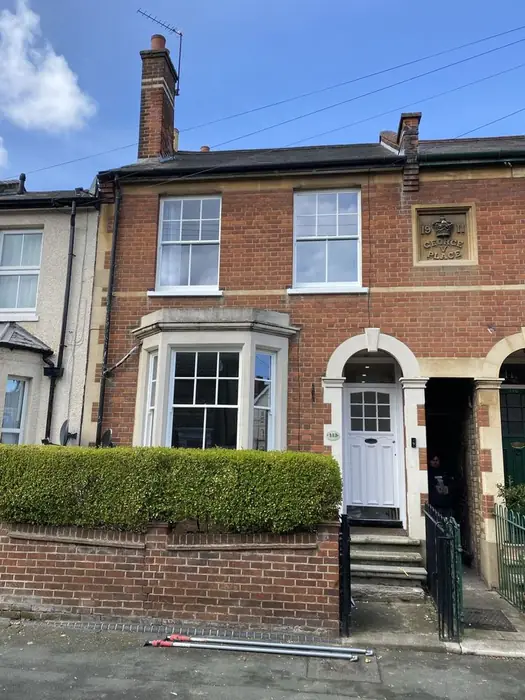
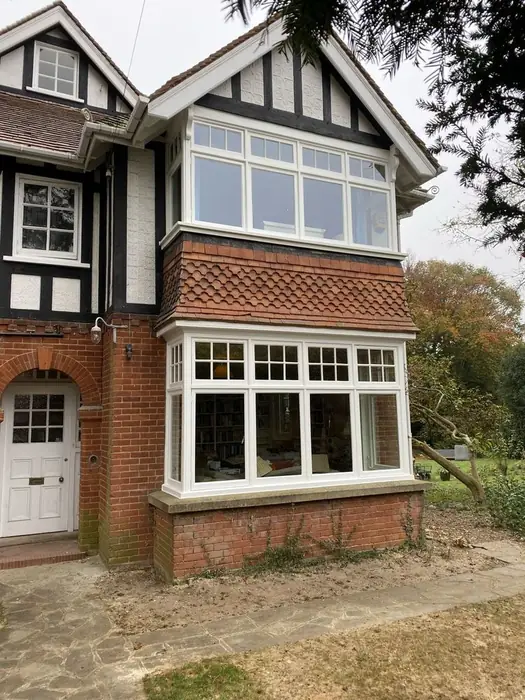
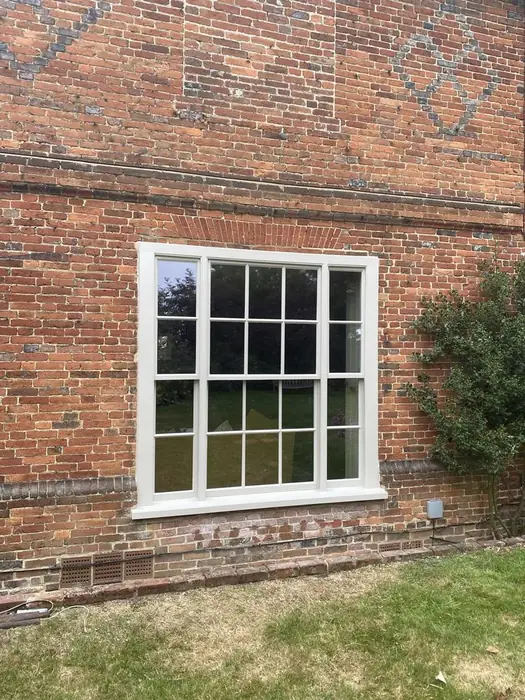
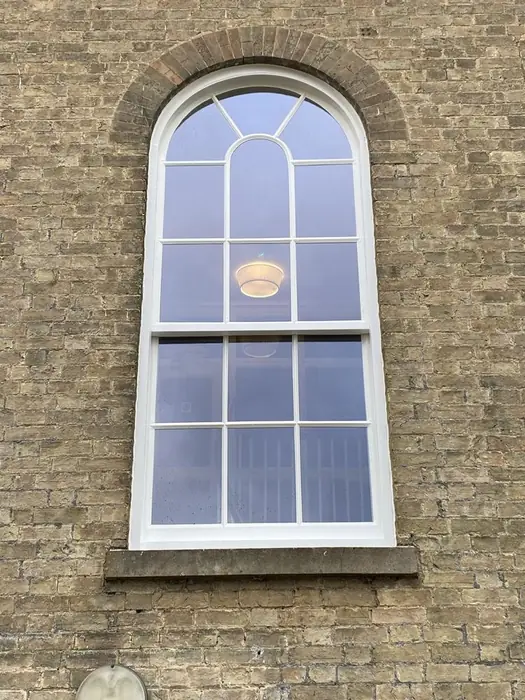
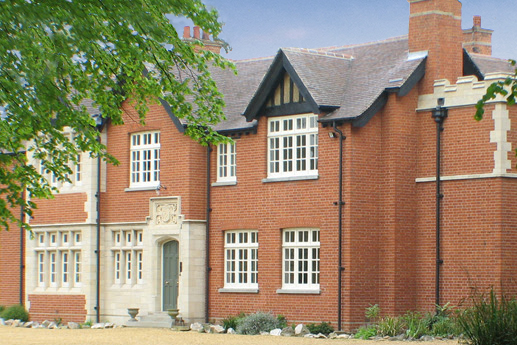
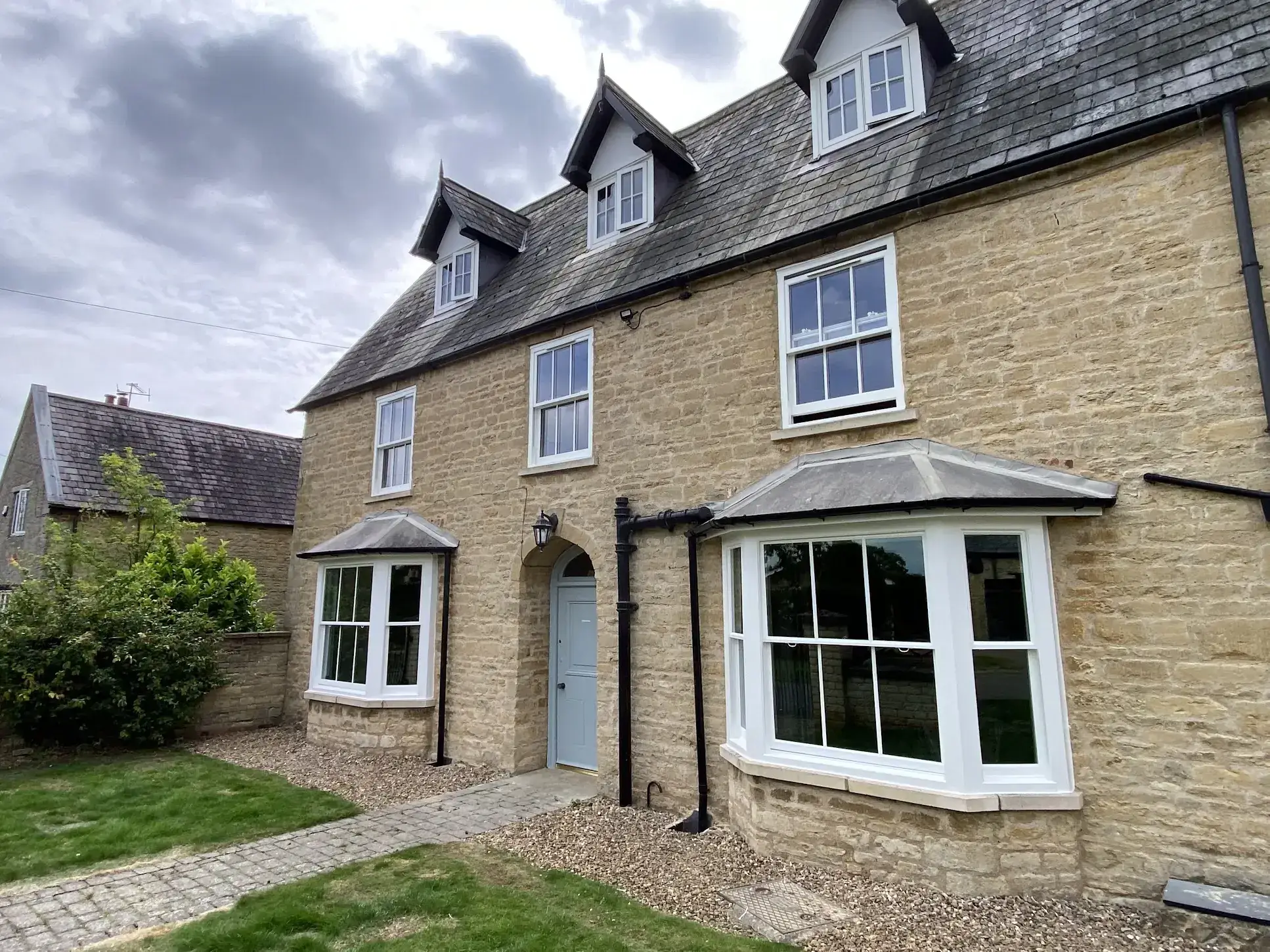
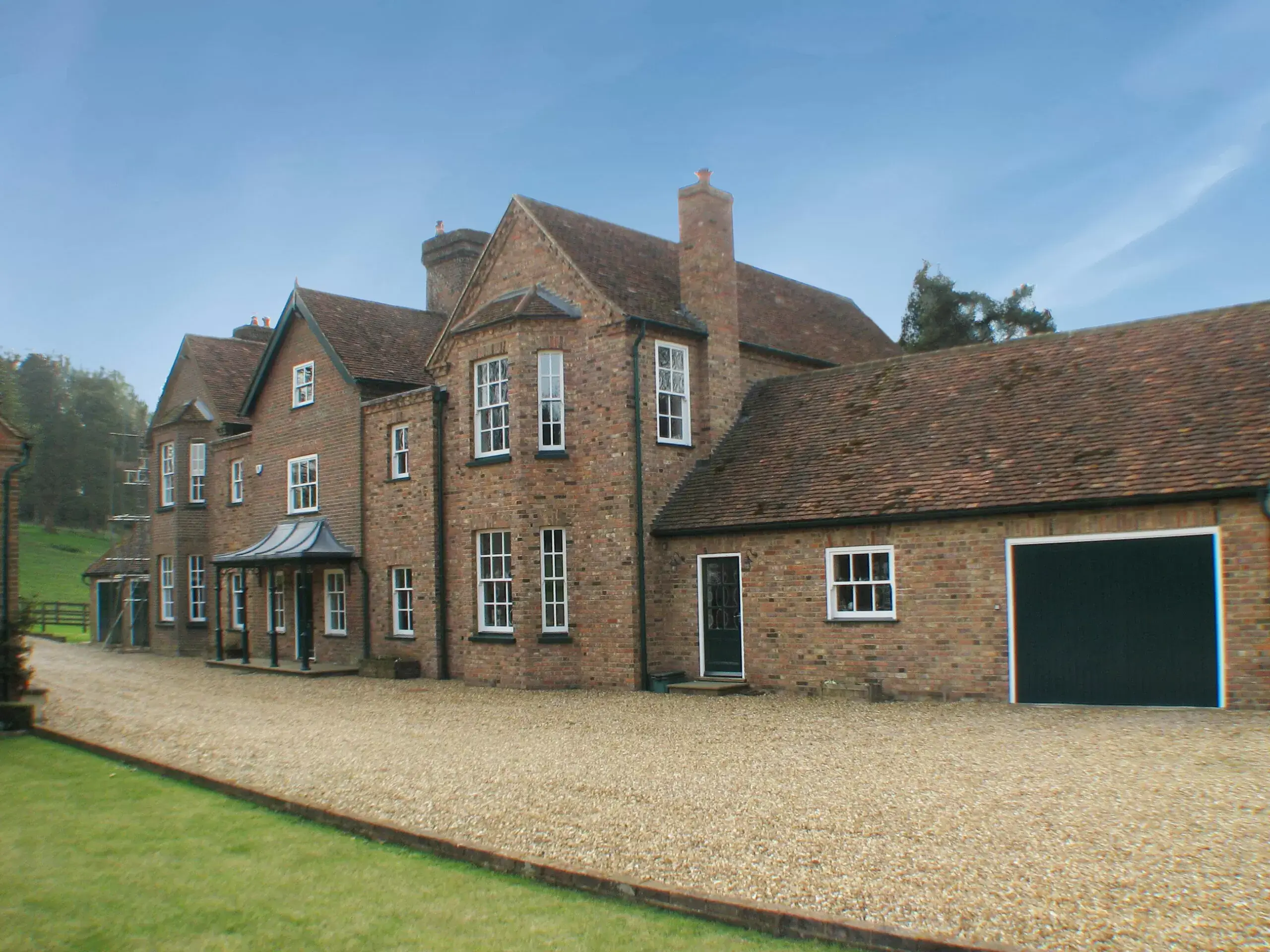
Leighton Buzzard's older stock — the Georgian frontages along the High Street, the Victorian terraces near the church, the Edwardian semis stretching toward Linslade — carries the original wooden sashes. Most of them are still the right windows for the building; what they need is honest maintenance, not replacement.
We specialise in sympathetic restoration — traditional joinery alongside discrete modern improvements that preserve the original window whilst making the rooms easier to live in. Twenty-five years of work on sash and casement frames, mostly across Bedfordshire and the surrounding Home Counties.
What we see most often in Leighton Buzzard houses:
- Rotting timber frames caused by age or moisture working into the cill or the bottom of the stiles.
- Heat loss through single glazing — a typical U-value around 5.0 W/m²K, against a modern wall at ~0.3.
- Persistent draughts and rattling from worn parting beads and seals.
- External noise from the A4146, the A5 corridor, and the West Coast Main Line through Linslade.
- Condensation buildup on cold internal glass, leading to staining and decay around the cill.
Restoring wooden windows in Leighton Buzzard
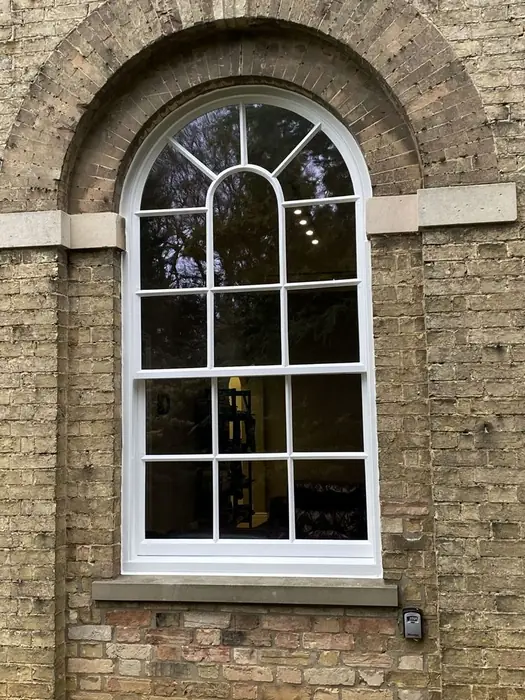
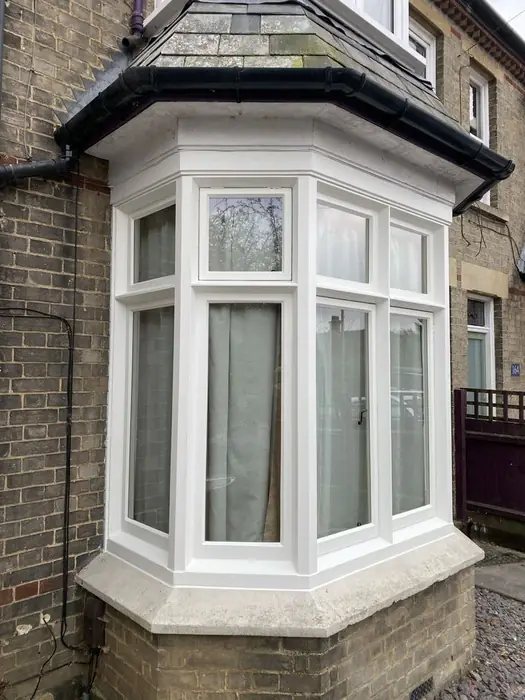
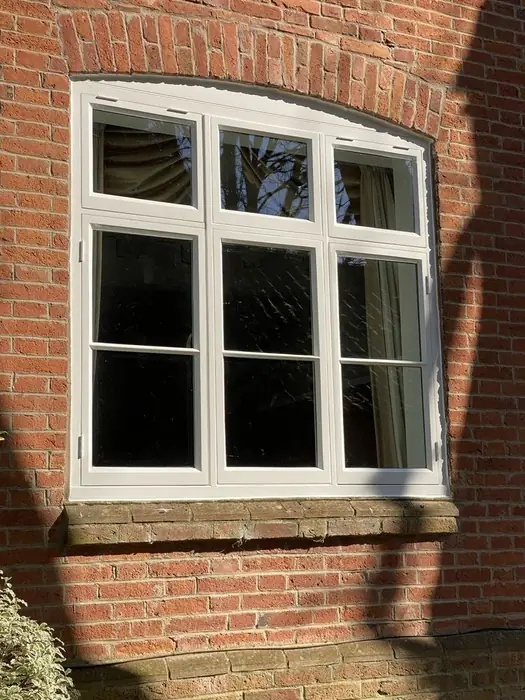
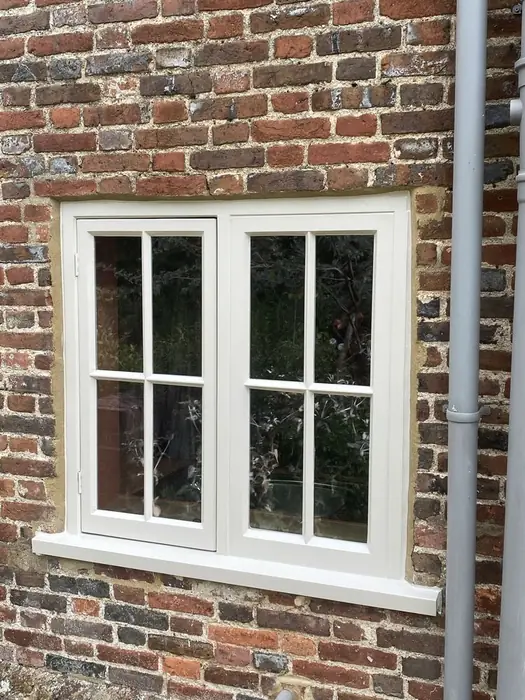
If your sash windows are sticking, draughty, or showing decay, restoration brings them back without losing the original sashes. The frame stays, the glazing bars stay, the original glass stays where it survives. Only what has failed gets replaced.
Sash window repair
Repairs to broken sash cords, worn pulleys, weights that have slipped their pockets. We strip the sash out, refit cords and pulleys, balance the weights, and refit. The window slides quietly again and stays open where you leave it.
Rotten window frame repair
We splice-repair decayed timber: cut out the rot back to sound wood, scarf in matched joinery, treat the surrounding timber, prime and paint. The window is structurally the same window, with a new section spliced in where the old one had failed.
Draught-proofing wooden windows
Brush seals and weatherstripping fitted into the stiles, meeting rails, and cills. Done well, the rattle goes and the heat stops leaving through the gaps around the sash — no visible change from inside or out.
Double-glazing retrofit for Leighton Buzzard sash windows
Many Leighton Buzzard period properties still run on single glazing. A double-glazing retrofit drops the U-value at the glass from ~5.0 to ~0.7 W/m²K — triple-glazed thermal performance inside an 8 mm vacuum-insulated unit, with the original sashes left in place.
The retrofit also cuts external noise meaningfully, particularly the rumble from the railway line and the through-traffic on the A roads. The original line of the window is preserved — the glazing bars, the horns, the proportions all stay.
Restoration over replacement — why it usually wins
For most Leighton Buzzard houses, restoring the originals beats like-for-like replacement on three counts:
- Cost. Splice repair and retrofit cost meaningfully less than ripping out and replacing the joinery.
- Character. The originals are usually better joinery than modern replacements — heavier timbers, finer mouldings, proper sash boxes.
- Conservation. Restoration generally clears the planning hurdles in conservation areas where replacement wouldn't.
Our service area in Bedfordshire
Leighton Buzzard and the surrounding south-Bedfordshire towns are part of our day-to-day patch. The places we work most often:
- Leighton Buzzard
- Linslade
- Dunstable
- Houghton Regis
- Woburn
- Luton
- Bedford
- Flitwick
We also cover the neighbouring counties — Hertfordshire and Buckinghamshire — along with Cambridgeshire and Northamptonshire.
Frequently asked questions
Why choose restoration over replacement?
For most period houses the original joinery is better than what you'd replace it with — heavier timber, finer detailing, proper sash boxes. Restoration keeps that joinery, costs less, and usually clears conservation requirements that replacement wouldn't.
How long does a typical restoration take?
For a whole-house job — usually six to twelve sashes — work on-site typically runs one to two weeks, depending on the condition of the frames and whether you're including a glazing upgrade. The survey produces a timeline alongside the quote.
Do you work on properties in the conservation area?
Yes. Where conservation or listed-building consent applies we note it at the survey and supply the technical detail your local planning officer needs. Most retrofit and like-for-like restoration falls within permitted work.