Period sash windows in Watford — the problems we get called about
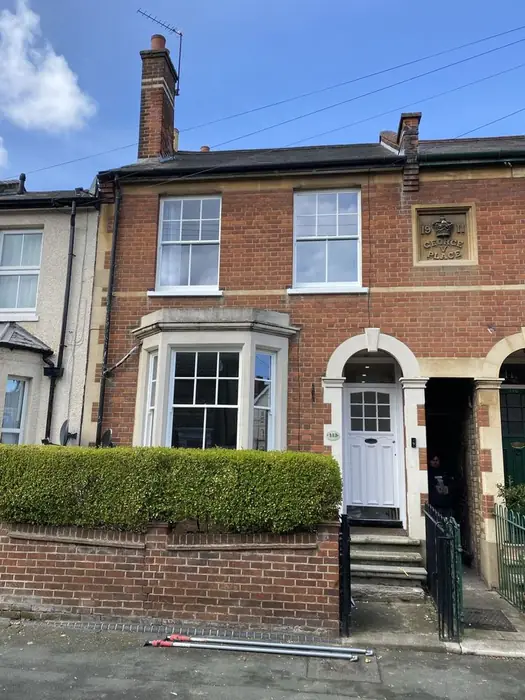
Period sash windows are essential to a Watford property's character. But ageing frames lead to draughts, heat loss, and rising energy bills, and the older the house, the harder those problems are to ignore.
We specialise in sympathetic restoration — traditional joinery alongside discrete modern improvements that preserve the original window whilst making the rooms easier to live in. Twenty-five years of work on sash and casement frames, mostly across Watford and the surrounding Hertfordshire towns.
What we see most often in Watford houses:
- Decayed wooden frames where rain has worked its way into the cill or the bottom of the stiles.
- Heat loss through single glazing — a typical U-value around 5.0 W/m²K, against a modern wall at ~0.3.
- Persistent draughts and rattling from worn parting beads and seals.
- Intrusive external noise from the main roads through town and the railway lines.
- Condensation buildup on cold internal glass, leading to staining and decay around the cill.
Restoring wooden windows in Watford
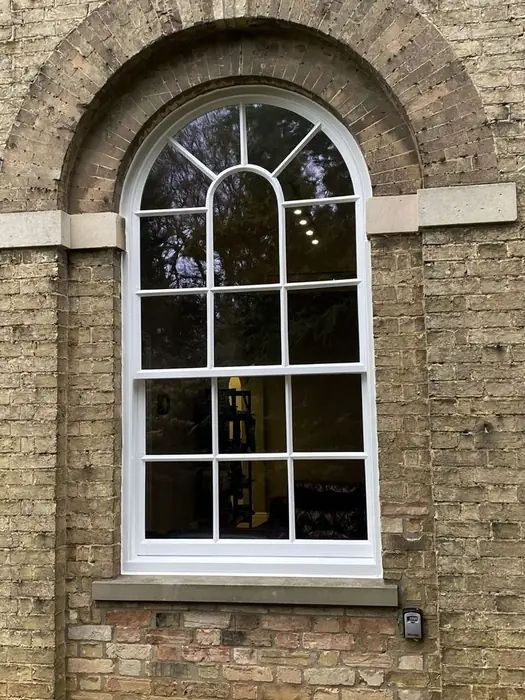
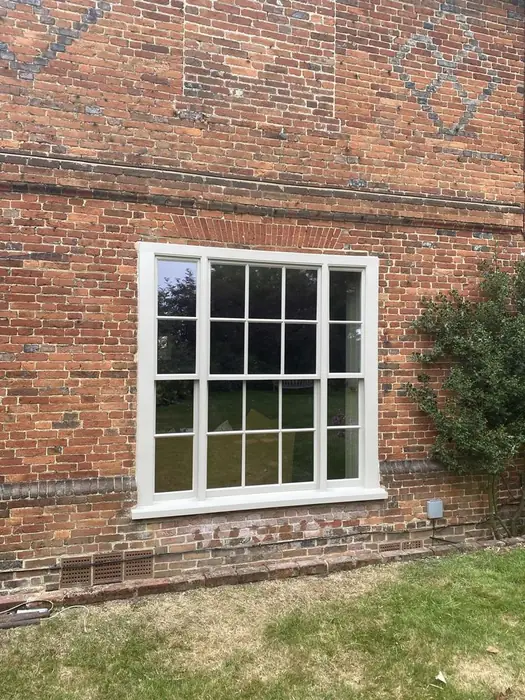
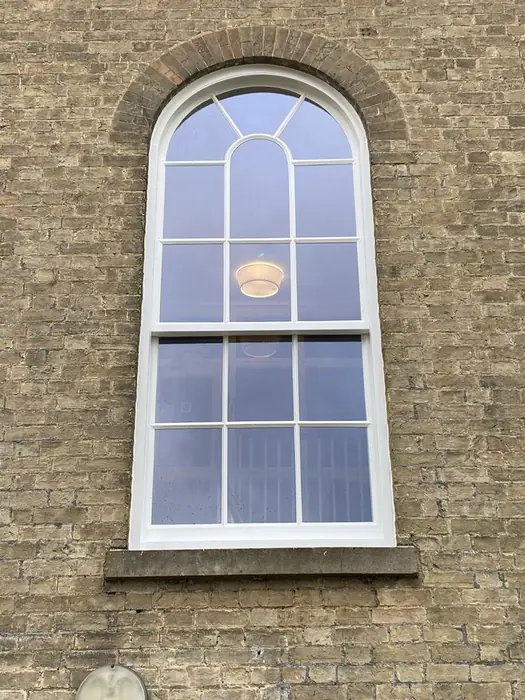
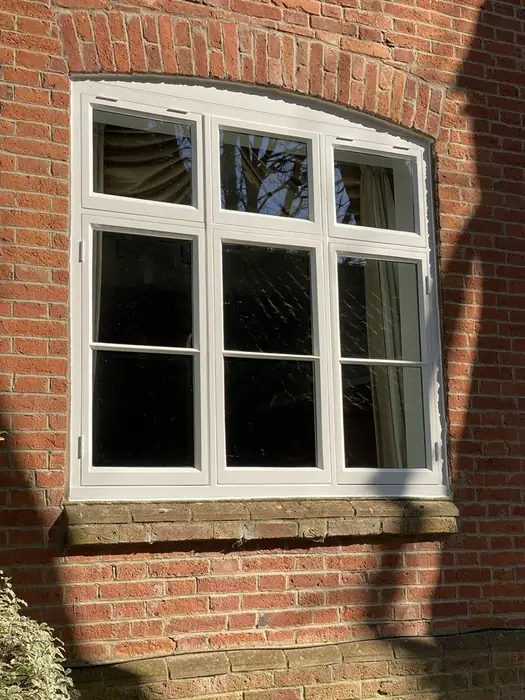
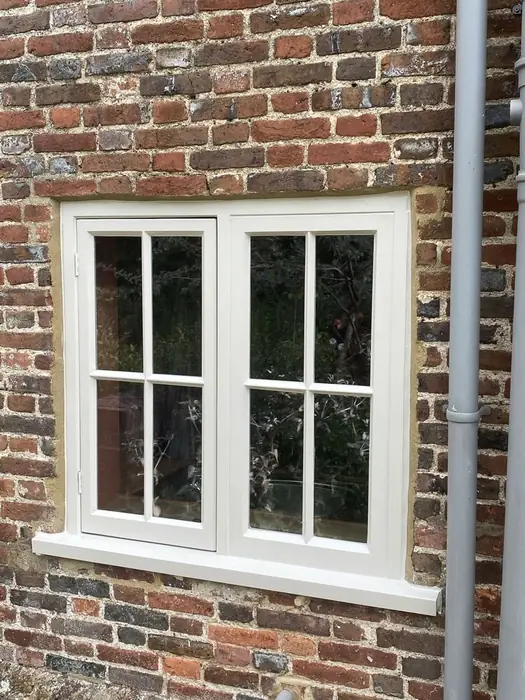
If your wooden windows are showing peeling paint, rot, or cold draughts, restoration brings them back without losing the original sashes. The frame stays, the glazing bars stay, the original glass stays where it survives. Only what has failed gets replaced.
Draught-proofing
Sealing the gaps around stiles, meeting rails and cills — brush seals into the parting beads, compression seals on the meeting rails. Done well, the rattle goes and the heat stops leaving through the gaps around the sash.
Repairing rotten window frames
We tackle timber decay, moisture penetration, and structural weakness through splice repair: cut out the rot back to sound wood, scarf in matched joinery, treat the surrounding timber, prime and paint. The window is structurally the same window, with a new section spliced in where the old one had failed.
Sash, casement, and bay windows
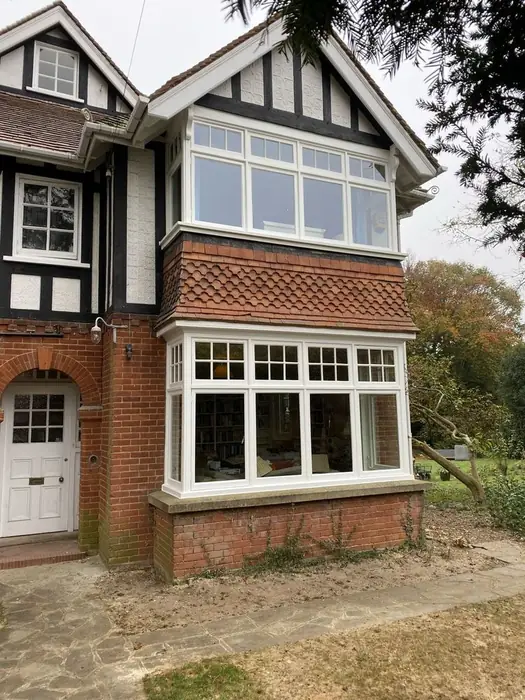
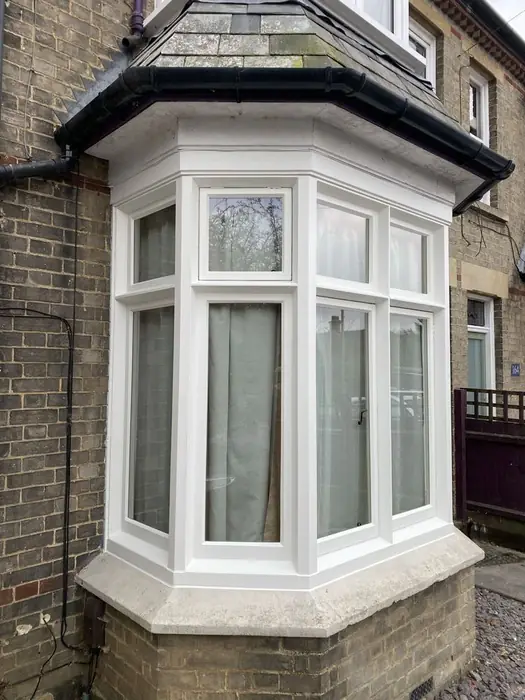
Restoration applies across the period stock — sliding sashes, side-hung casements, multi-pane bays. Different mechanics, same principle: keep what's sound, replace only what has failed, end up with smooth operation and a clean painted line.
Double-glazing retrofit for sash windows in Watford
Many Watford period properties still run on single glazing. Heating bills creep up every year; comfort goes the other way. A double-glazing retrofit lets you keep the original sashes and drop the U-value at the glass from ~5.0 to ~0.7 W/m²K — triple-glazed thermal performance inside an 8 mm vacuum-insulated unit.
The retrofit also cuts external noise meaningfully, particularly the low-frequency rumble from traffic on the main roads. The original line of the window is preserved — the glazing bars, the horns, the proportions all stay.
Retrofit vs secondary glazing
The two approaches solve overlapping problems, but they're not the same job:
- Double-glazing retrofit — vacuum-insulated glass fitted into the existing sash frames. The sash stays in place; only the glass changes. Best thermal performance, no visible change from inside or out, and the window keeps opening the way it always did.
- Secondary glazing — a separate glass layer installed internally, in front of the existing window. Cheaper upfront, but less effective against draughts and acoustic transfer, and visible inside the room.
For most Hertfordshire houses the retrofit is the right answer. We walk through both options at the survey and write up which one fits your house, with the conservation considerations noted where they apply.
Frequently asked questions
Can existing sash windows be upgraded with double glazing?
Yes. We install vacuum-insulated double glazing into the existing sash frames, improving insulation and acoustic performance while keeping the original sightline and the original sash in place.
What are the signs my sash windows need restoration?
Sticking sashes, draughts you can feel from across the room, peeling paint, minor decay around the cill or the bottom of the stiles — restoration is usually the right call. Severe structural damage is rarer, and we cover that case at the survey.
Can I choose the glass type during restoration?
Yes — standard single, double, vacuum-insulated, or specialist acoustic and thermal glass. We'll recommend the right one for your house and your priorities (warmth, noise, security, or all three).