Sash windows in Walthamstow — the problems we get called about
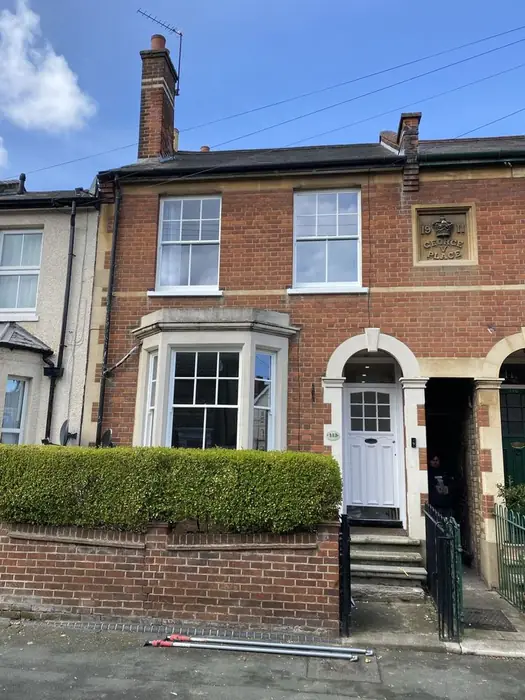
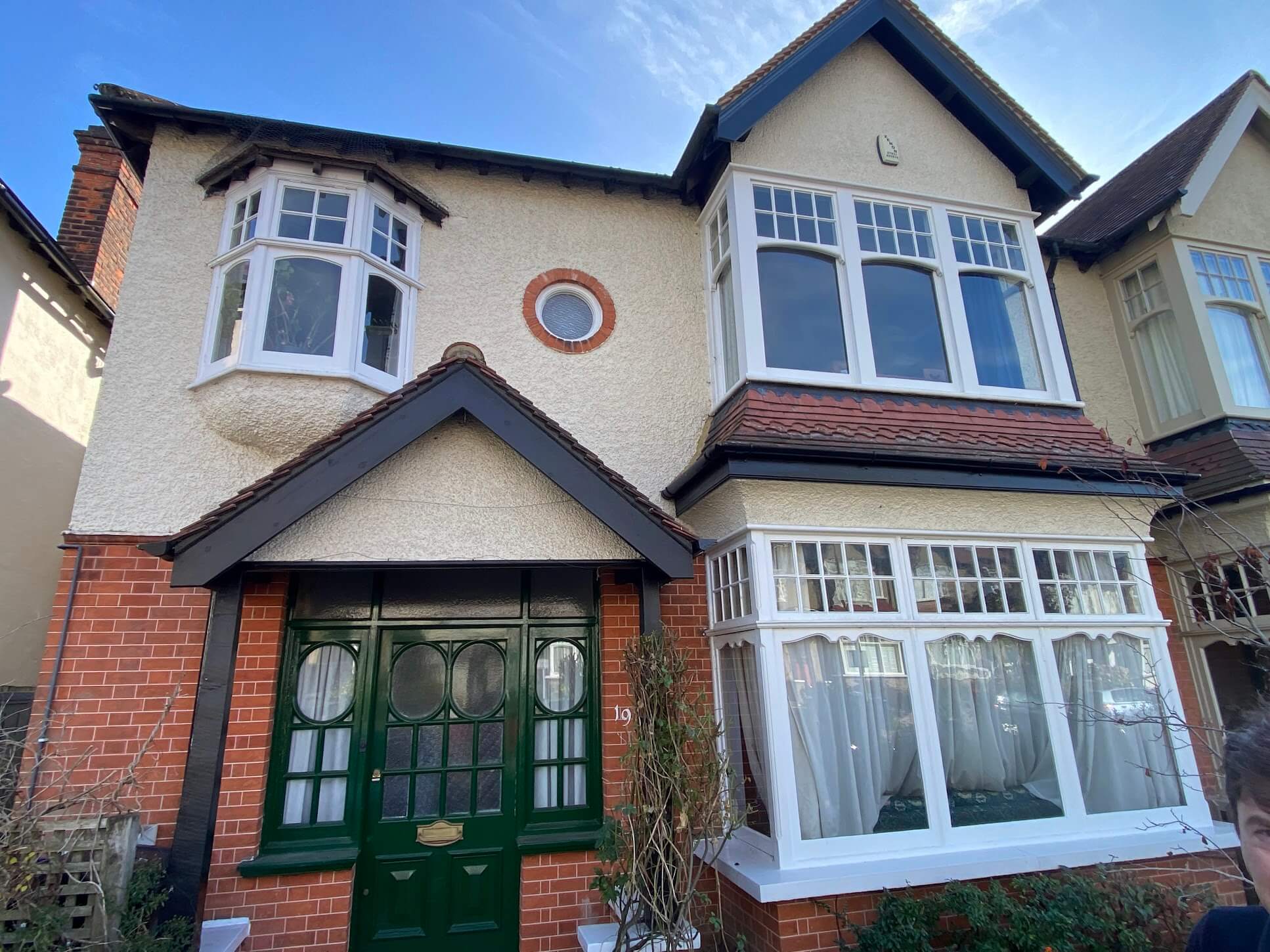
Walthamstow runs heavy in Victorian and Edwardian terraces — the streets across E17, the conservation area in Walthamstow Village, the William Morris–era stock that still carries the original windows. Most of those houses are still on their first sashes, and most of those sashes are due some attention.
We specialise in sympathetic restoration — traditional joinery alongside the modern bits that earn their keep. Twenty-five years on sash and casement frames, the last decade or so heavy across East London.
What we see most often in Walthamstow houses:
- Decayed wooden frames where rain has worked its way into the cill or the bottom of the stiles.
- Heat loss through single glazing — a typical U-value around 5.0 W/m²K, against a modern wall at ~0.3.
- Persistent draughts and rattling from worn parting beads and seals.
- Intrusive external noise from the A406, the Lea Valley line, and the trunk roads through Waltham Forest.
- Condensation buildup on cold internal glass, leading to staining and decay around the cill.
Restoring wooden windows in Walthamstow
If your wooden windows are showing peeling paint, rot, or cold draughts, restoration brings them back without losing the original sashes. The frame stays, the glazing bars stay, the original glass stays where it survives. Only what has failed gets replaced.
Repairing rotten window frames
We tackle timber decay, moisture penetration, and structural weakness through splice repair: cut out the rot back to sound wood, scarf in matched joinery, treat the surrounding timber, prime and paint. The window is structurally the same window, with a new section spliced in where the old one had failed.
Draught-proofing wooden windows
Brush seals fitted into the stiles, meeting rails, and cills. The rattle goes, and the cold air stops walking in around the sash.
Sash, casement, and bay windows
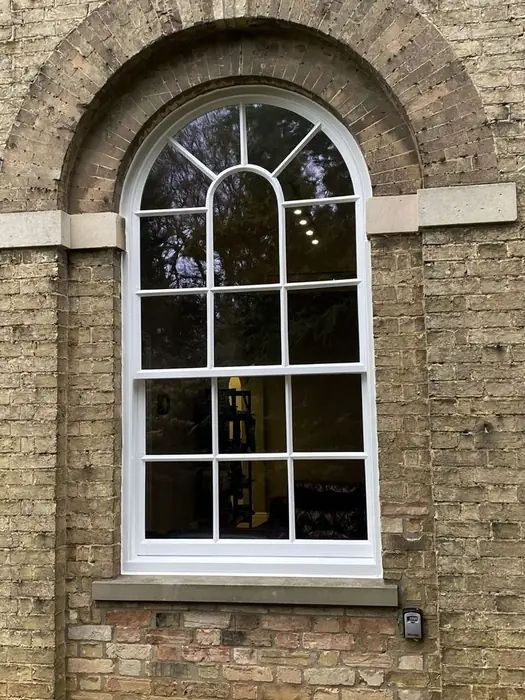
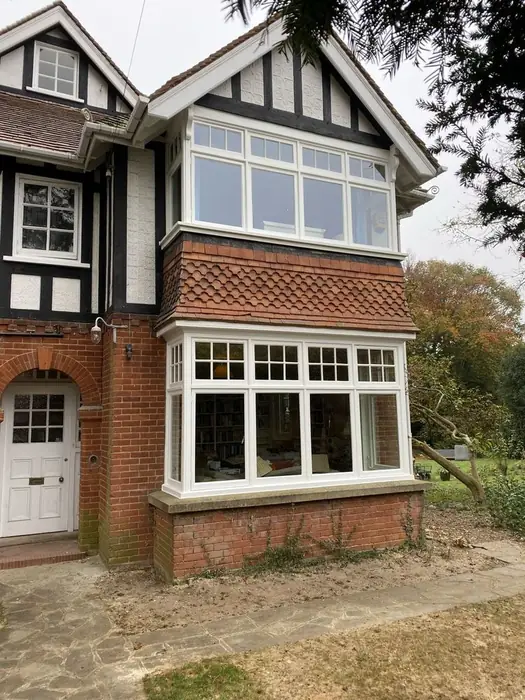
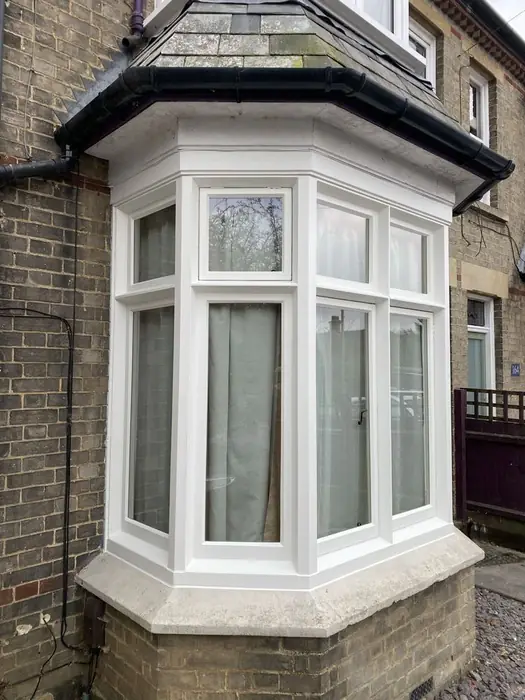
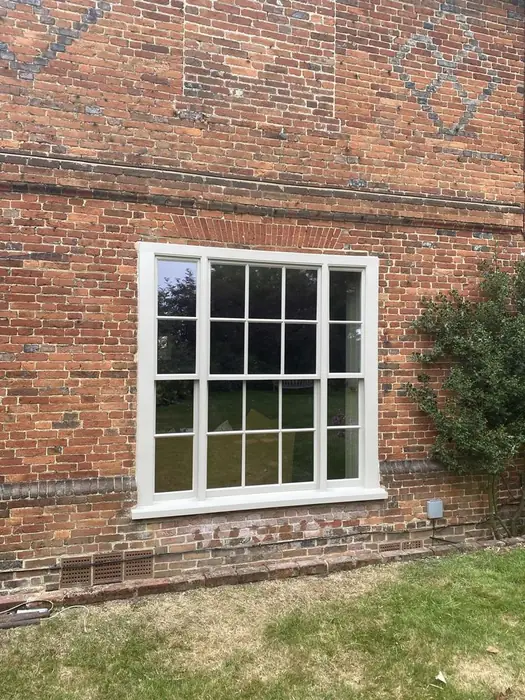
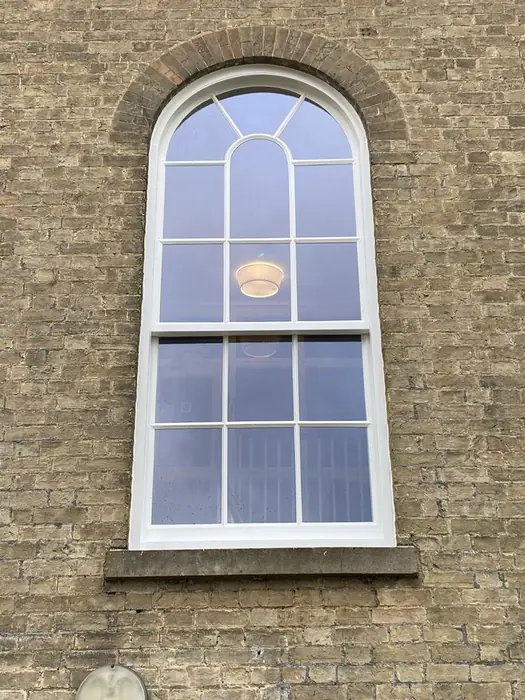
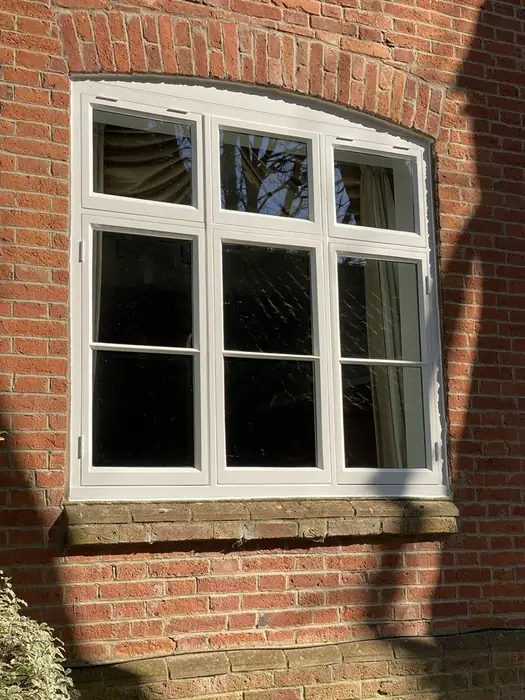
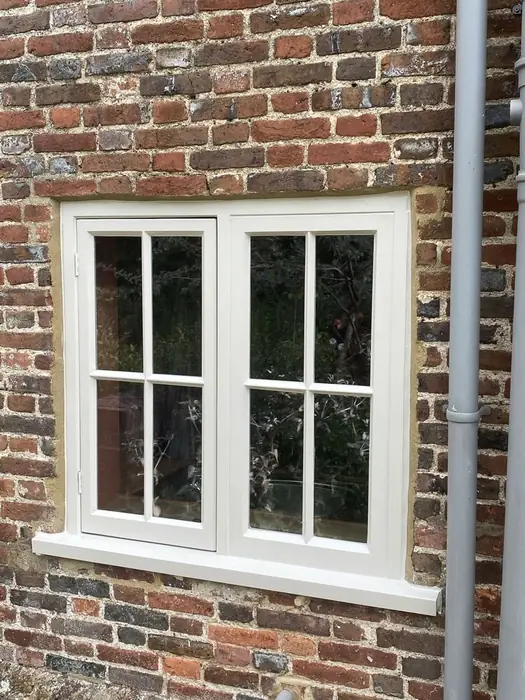
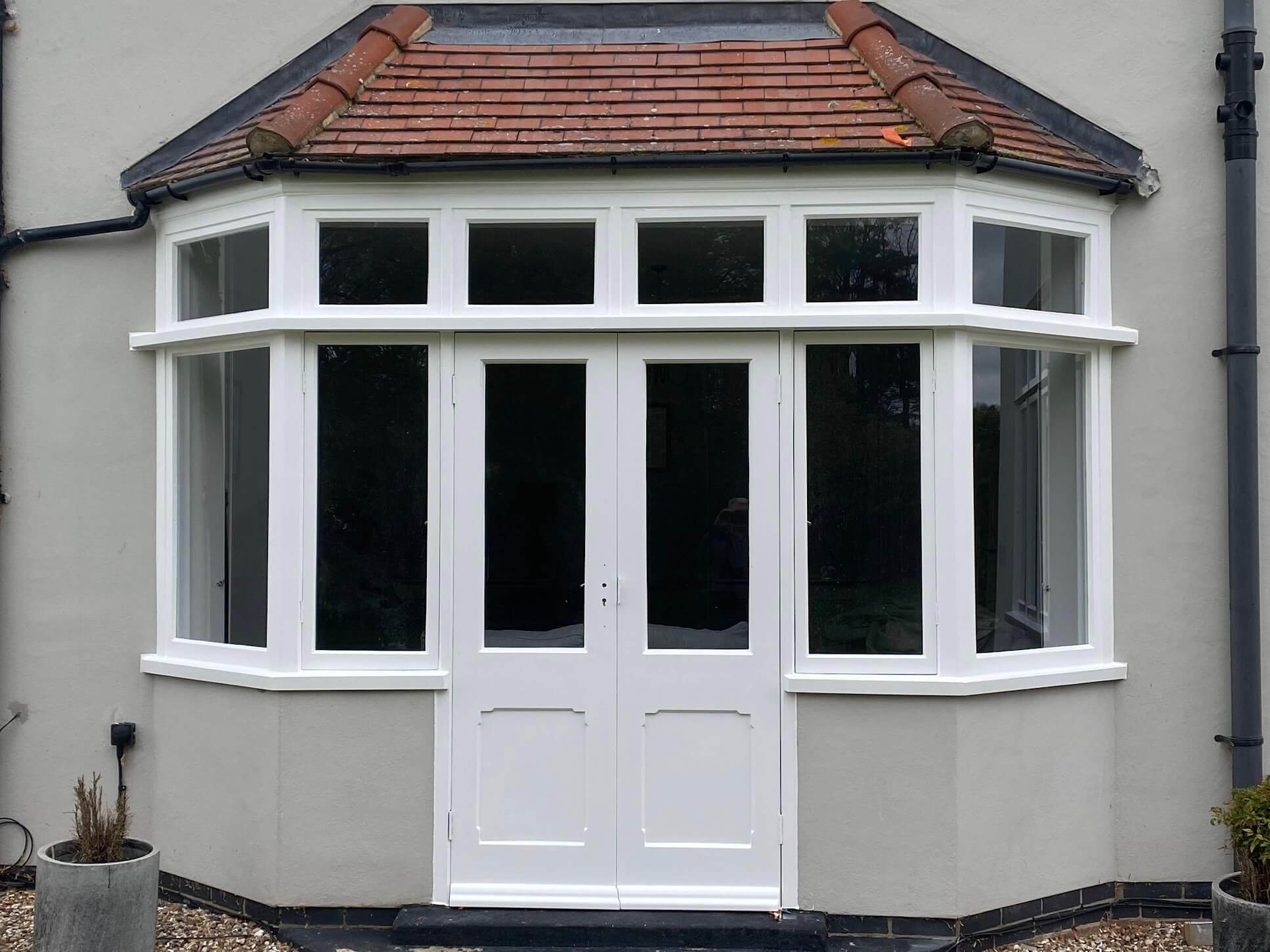
The same principles apply across the period stock — sliding sashes, side-hung casements, multi-pane bays. Different mechanics, same principle: keep what's sound, replace only what has failed, end up with smooth operation and a clean painted line.
Double-glazing retrofit for Walthamstow sash windows
A lot of Walthamstow terraces still run on single glazing. Heating bills creep up every winter; comfort goes the other way. Our retrofit service drops vacuum-insulated glass units into your existing sash frames. U-value at the glass falls from ~5.0 to ~0.7 W/m²K — triple-glazed thermal performance inside an 8 mm unit.
The retrofit also cuts external noise meaningfully, particularly the low-frequency rumble from traffic and rail. The original line of the window is preserved — the glazing bars, the horns, the proportions all stay.
Our service area in Walthamstow
The neighbourhoods we cover across East London:
- Walthamstow
- Leytonstone
- Waltham Forest
- Ilford
- Woodford
- Chingford
- Leyton
- Stoke Newington
- Clapton
For nearby East London catchments with their own pages, see Ilford and Romford.
Frequently asked questions
Can existing sash windows be upgraded with double glazing?
Yes. We install vacuum-insulated double glazing into the existing sash frames, improving insulation and acoustic performance while keeping the original sightline and the original sash in place.
How do I know if my sash windows need restoration or replacement?
Sticking sashes, draughts you can feel from across the room, peeling paint, minor decay around the cill or the bottom of the stiles — restoration is usually the right call. Severe structural damage is rarer, and we cover that case at the survey.
Can I choose the glass type during restoration?
Yes — standard single, double, vacuum-insulated, or specialist acoustic and thermal glass. We'll recommend the right one for your house and your priorities (warmth, noise, security, or all three).